
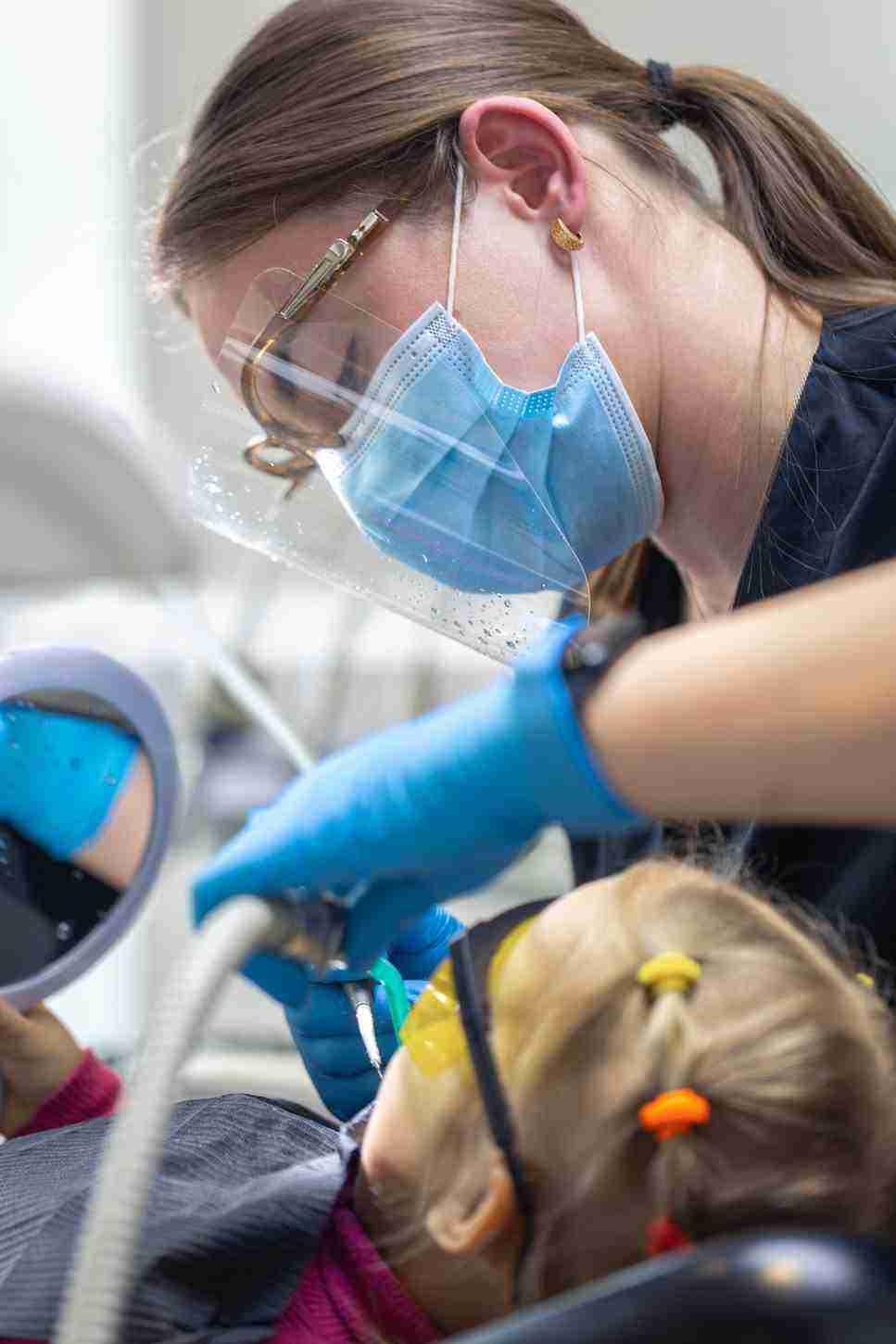
The moment your child says, “My tooth hurts”
It’s a small sentence with a big weight. For parents, it can hit like a wave—worry, guilt, confusion, urgency. Is it a cavity? Did we miss something? Will it be painful to fix? And if your child has never been to the dentist (or had a tough experience before), the anxiety can multiply fast.
The truth is: you’re not alone, and you’re not late. Childhood dental issues are incredibly common, even in families that brush daily and try to do everything “right.” What matters most is what you do next—choosing support that’s gentle, clear, and built for kids.
If you’re searching for a pediatric dentist, you’re probably looking for more than an appointment. You’re looking for a safe place where your child can feel understood and where you can feel confident that you’re making the right call.
This guide is here to help you do exactly that—calmly, practically, and with steps you can take today.
Why pediatric dentistry feels different (because it is)
Pediatric dental visits aren’t just “smaller versions” of adult dental appointments. Kids aren’t mini adults—physically or emotionally—and their dental care should reflect that.
Children need dentistry that meets them where they are
A child’s mouth changes quickly. Teeth erupt, jaws grow, habits form, and small issues can either resolve with guidance or snowball into bigger problems if left unattended.
Equally important: kids process unfamiliar environments differently. Bright lights, strange sounds, new smells, and tools can feel overwhelming. The right pediatric setting doesn’t rush children through that discomfort—it works with them through it.
The goal isn’t just clean teeth—it’s lifelong confidence
One of the most valuable outcomes of pediatric dentistry is something you can’t measure with X-rays: trust.
When children learn early that the dentist is a safe place—where adults explain, listen, and move at their pace—they’re far more likely to maintain dental health as teens and adults. That emotional foundation matters.
What parents are really looking for in a pediatric dentist
A quick online search can give you dozens of options, but the “best” fit comes down to what happens once you walk in the door.
Here are the qualities that tend to matter most to families:
A calm approach (especially for nervous kids)
Some children are naturally cautious. Others have sensory sensitivities or intense fear after a painful tooth. A kid-centered office understands that anxiety isn’t “bad behavior”—it’s communication.
Look for a dental team that:
- explains what they’re doing in simple language
- uses reassurance without pressure
- offers breaks when needed
- celebrates small wins, not just perfect cooperation
Clear communication with parents
You deserve to understand what’s going on—without jargon or vague answers.
A strong pediatric dentist will:
- show you what they see (photos and X-rays when appropriate)
- outline options clearly
- tell you what’s urgent vs. what can be monitored
- help you plan care around your family’s schedule and budget
Prevention that’s realistic, not preachy
Most parents already know brushing and flossing matter. What they often need is guidance tailored to a real child with a real temperament—maybe a kid who refuses floss, hates mint toothpaste, or snacks constantly after school.
Good pediatric dentistry doesn’t shame. It strategizes.
When should a child start seeing the dentist?
A common question is, “Is it too early?” And sometimes, “Is it too late?”
The best answer is: as soon as you can create a comfortable rhythm.
Many children benefit from early visits because it normalizes the experience. Early appointments are often simple—just looking, counting teeth, and helping your child feel safe in the chair. Even one positive visit can make the next ten easier.
If your child is older and hasn’t been in yet, don’t panic. What matters is starting now with a practice that understands first-timers and can help your child ease in.
Signs your child may need an appointment sooner rather than later
Some dental concerns are easy to spot. Others are quiet until they become painful.
Consider booking an evaluation if you notice:
- tooth pain (even if it “comes and goes”)
- sensitivity to cold or sweets
- brown, white, or chalky spots on teeth
- gums that bleed often during brushing
- persistent bad breath that doesn’t improve with hygiene
- a tooth that looks chipped or cracked
- swelling of the gums or face
- thumb-sucking or pacifier use that’s continuing longer than you expected
- difficulty chewing on one side
- a tooth that seems “stuck” and not coming in
If you’re unsure, it’s still worth checking—early care is usually easier, faster, and less stressful than waiting for a problem to escalate.
What “pediatric dental care” really includes
Many parents think pediatric dentistry is just cleanings and cavities. In reality, it’s a whole ecosystem of prevention, growth monitoring, and support.
High-quality pediatric dental care often includes:
- Routine exams and cleanings to keep plaque buildup under control and catch issues early
- Fluoride treatments when appropriate to strengthen enamel
- Sealants to protect the deep grooves on molars where cavities often start
- Digital imaging/X-rays when necessary to see between teeth and under the gums
- Cavity treatment with a focus on comfort and child-friendly explanations
- Monitoring growth and development, including how teeth are erupting and spacing patterns
- Injury care for chipped teeth or dental trauma from sports and play
- Guidance on habits like thumb-sucking, pacifier use, or mouth breathing
- Education for parents, so you know what to do at home and what to watch for
It’s not about doing “more.” It’s about doing what supports your child’s health in the least stressful way.
Your child’s first visit: how to set the tone (without adding pressure)
The first appointment is less about dental work and more about emotional safety.
What to say before the appointment
Try simple, neutral language:
- “The dentist is going to count your teeth.”
- “They’ll help keep your teeth strong.”
- “You can ask questions, and I’ll be right there.”
Avoid:
- “It won’t hurt.” (Kids may interpret that as “it might hurt.”)
- “Don’t be scared.” (This introduces fear.)
- “If you’re brave, you’ll get a treat.” (This can unintentionally make the visit feel like a scary challenge.)
What to bring
Depending on your child’s age, consider:
- a comfort item (small toy, blanket)
- headphones (if they’re sensitive to sound)
- a list of questions or symptoms you’ve noticed
- any dental records if you’re transferring from another office
What to expect in a kid-friendly office
A pediatric-focused team typically:
- uses gentle, age-appropriate wording
- shows tools in a non-threatening way
- lets your child observe first
- invites questions
- moves at your child’s pace when possible
That pacing can be the difference between a child who dreads the dentist and a child who trusts the process.
How to choose the right pediatric dentist: a practical checklist
When you’re comparing providers, it helps to have a grounded way to evaluate your options—especially if you’re choosing for a child with anxiety or previous negative experiences.
Here’s a checklist you can use:
The emotional fit
- Does the team speak directly to your child, not just to you?
- Are they patient when a child is hesitant?
- Do they treat fears with respect?
The clinical clarity
- Do they explain treatment options and why they recommend them?
- Are they transparent about timelines and next steps?
- Do they help you prioritize what’s urgent?
The environment and logistics
- Is scheduling manageable for school hours?
- Is the office easy to reach?
- Do they make follow-ups straightforward?
The prevention focus
- Do they talk about habits, diet, and home care in a practical way?
- Do they offer strategies that match your child’s age and personality?
If you’re ready to explore care locally, visiting a trusted pediatric dentist in Floral Park can be a strong first step toward creating a dental routine that doesn’t feel like a battle.
“Pediatric dentist near me”: why that search can feel urgent
Most parents don’t start searching until something happens: a complaint of pain, a visible spot, a school note, a fall at the playground. In those moments, the need is immediate—comfort, answers, a plan.
If you’re in that urgent mode and typing “pediatric dentist near me”, pause for one breath and remind yourself: there is a path forward. The fastest relief often starts with an evaluation and a calm conversation about what’s going on.
Even if treatment is needed, the emotional tone of the first interaction matters. A supportive dental team can help both you and your child feel steady again.
How to support your child at home between visits
The best dental care is the kind that quietly happens every day—without drama, without perfection, just consistency.
Brushing: aim for “effective,” not “ideal”
- Brush twice daily with a soft-bristled toothbrush.
- Use a fluoride toothpaste (ask the dentist about the right amount for your child’s age).
- If your child resists, try:
- letting them choose the toothbrush color
- using a timer or a short song
- brushing together in the mirror
- “your turn, my turn” (they start, you finish)
The goal is clean teeth, not a power struggle.
Flossing: make it easier than you think
If floss is a daily fight, floss picks can help. Start with one spot per day if needed. Consistency builds faster than intensity.
Snacks: small changes make a big difference
You don’t have to eliminate sugar entirely to protect teeth. What matters most is frequency and stickiness.
Try to:
- reduce grazing (constant snacking keeps acids active)
- rinse with water after snacks when brushing isn’t possible
- favor tooth-friendlier options like cheese, yogurt, nuts (age-appropriate), and crunchy fruits/veggies
- keep chewy candies and sticky snacks occasional, not routine
Hydration: water is a simple win
Water supports saliva, which naturally protects teeth. If your child drinks juice, consider limiting it to mealtimes rather than sipping throughout the day.
When cavities happen: how to stay calm and help your child cope
Cavities can trigger a lot of emotion. Parents often feel guilt—like they failed somehow. But cavities are influenced by many factors: enamel strength, diet patterns, brushing habits, tooth anatomy, and even how tightly teeth are spaced.
If your child needs a filling, the most helpful thing you can do is:
- stay calm in your body language and tone
- avoid describing the procedure with scary details
- reinforce that this is about helping, not punishing
A supportive pediatric dental team will guide the process carefully, explain what your child can expect in kid-friendly terms, and work to keep discomfort minimal.
If your child is extremely anxious, ask the office what comfort options are available and how they approach fearful kids. You’re allowed to advocate for your child’s emotional needs.
Dental emergencies: what to do in the moment
Accidents happen. Kids run, jump, fall, collide, and sometimes teeth get involved.
Here are a few general tips that can help you act quickly:
If a tooth is chipped or broken
- Rinse the mouth gently with water.
- Save any tooth fragments if you can.
- Call the dental office to describe what happened and get next-step guidance.
If there’s swelling, fever, or severe pain
- These can signal infection and should be addressed quickly.
- Contact a dentist promptly for advice on urgency and care.
If a tooth is knocked loose or out
- Time matters. Contact a dental professional immediately for instructions.
- Avoid scrubbing the tooth; handle it carefully.
Because situations vary, it’s best to get direct guidance from a dental office right away rather than trying to self-diagnose. If your kid is having an emergency, you can visit our dental clinic in Floral Park, NY.
Creating a dental home: why consistency changes everything
A “dental home” is a place your child returns to—so the team knows your child’s history, temperament, and needs. Over time, it becomes familiar, predictable, and less scary.
Consistency supports:
- earlier detection of issues
- easier appointments
- better prevention planning
- less anxiety (for both kids and parents)
If you’re trying to establish that sense of stability, choosing a practice that prioritizes long-term relationships can make dental care feel less like a series of emergencies and more like a supportive routine.
Action steps you can take today (even if you’re overwhelmed)
When you’re juggling work, school schedules, and everything else, dental care can slide down the list—until something forces it to the top. If that’s where you are right now, keep it simple.
Step 1: Decide what kind of appointment you need
- Routine checkup: no pain, just time for an exam/cleaning
- Concern visit: sensitivity, spots, bleeding gums, persistent bad breath
- Urgent visit: swelling, severe pain, trauma, fever
Step 2: Write down what you’ve noticed
A short note helps:
- where the pain is (if your child can tell you)
- when it started
- what makes it worse (cold? sweets? chewing?)
- any visible changes you’ve seen
Step 3: Prepare your child with neutral language
Keep it calm and clear. Your confidence sets the emotional temperature.
Step 4: Refresh the basics at home
Tonight, focus on one win:
- brush carefully along the gumline
- help with floss on one side
- swap a sticky snack for something tooth-friendlier
Small steps count.
Step 5: Choose a team that supports your child—not just their teeth
That’s what turns dental care from stressful to sustainable.
The Right Support Can Turn Dental Stress Into Lasting Confidence
Parenting is full of moments where you’re asked to be steady even when you’re worried. Dental concerns can be one of those moments—because they can involve pain, fear, and the feeling that you should have caught it sooner.
But here’s what matters: you’re paying attention now. You’re looking for answers. You’re taking action. That’s what your child will remember most—someone showing up for them, making it safe, and guiding them toward health.
And with the right support and consistent pediatric dental care, those tense moments can transform into something surprisingly empowering: a child who learns, little by little, that caring for their body is normal—and that help is always available when they need it.
Related Posts
Is cosmetic dentistry covered by insurance? Learn how smile makeovers are planned, which treatments pair well, and what your plan may actually cover.
Is Cosmetic Dentistry Covered by Insurance? Planning a Smile Makeover
Learn when to schedule your child’s first dental visit and what to expect, with practical a to z pediatric dentistry guidance for Floral Park families.
When Should Floral Park Parents Schedule Their Child’s First Dental Visit
Is ClearCorrect legit? Yes—see how this FDA-cleared aligner compares to Invisalign in cost, comfort, and treatment fit before choosing your option.
Is ClearCorrect Legit? ClearCorrect vs Invisalign Compared
Wondering how long does Invisalign take? Learn average treatment times, what affects your timeline, and what to expect from consultation to retainer.
How Long Does Invisalign Take? A Complete Timeline Guide
Learn what All-on-4 dental implants are, who qualifies, costs, cleaning tips, and how they compare to dentures before your consultation.
What Is All-on-4 Dental Implants and Who Is a Good Candidate?
Wondering how much are implant supported dentures? Learn how they stay in place without adhesive and what factors affect cost and candidacy.
How Much Are Implant Supported Dentures? Costs & How They Work
Wondering how much do dental implants cost compared to dentures? See what drives pricing, insurance coverage, and which option pays off long-term.
How Much Do Dental Implants Cost vs. Dentures Long-Term?
Learn how to tell if you need partial or full dentures, plus practical tips on how to care for dentures so they stay comfortable and last for years.
Partial vs Full Dentures: How to Know Which Type You Need
What is a dental bridge and how does it compare to a crown or implant? Learn which option best replaces a missing tooth and what the process involves.
What Is a Dental Bridge? Crown vs Bridge for a Missing Tooth
Wondering can you bite nails with dental bonding? Learn how long bonding lasts, what damages it, and how to protect your smile for years to come.